


There’s a certain rhythm to an Australian summer, and unfortunately pests follow it just as closely as we do. As the days stretch out and the temperature climbs, the ants find their way onto the kitchen bench, spiders set up in the corners of the veranda, and the occasional rodent decides the roof cavity looks like a decent holiday home. It’s not your imagination — warm weather genuinely drives a spike in household pest activity, and Melbourne’s swing between humid, sticky spells and sudden dry heat makes local homes especially attractive. The city’s mix of older housing stock, leafy suburbs, and unpredictable weather creates exactly the conditions that pests love.
Understanding why it happens is the first step to staying ahead of it. Heat speeds up insect breeding cycles, drought pushes pests indoors in search of water, and the same open doors and windows that keep us cool are an open invitation to everything else. When prevention isn’t enough and an infestation takes hold, bringing in a professional Pest Exterminator Melbourne team is often the fastest way to reset the situation before a handful of visitors becomes a full colony. But a lot of the battle can be won early, with a few habits that cost nothing and take only minutes.
What summer actually changes
Insects are cold-blooded, so their metabolism and reproduction accelerate as temperatures rise. A colony that ticked along slowly through winter can explode over a few warm weeks, turning a minor, barely-noticed presence into a visible problem seemingly overnight. At the same time, dry spells send ants, cockroaches, and rodents hunting for moisture, and your kitchen, bathroom, and laundry are reliable water sources no matter how hot and dry it gets outside. Add longer daylight hours, more foot traffic in and out of the house, more entertaining, and more food being prepared and left out, and you’ve got the perfect storm for a busy pest season.
There’s a seasonal logic to which pests show up when, too. Early summer often brings the ants as colonies expand and forage aggressively. The height of the heat drives cockroach and rodent activity as they chase cool, damp shelter. And spiders tend to follow the insect population — where there’s plenty of prey, spiders move in to take advantage.
The pests you’re most likely to notice ramping up include:
- Ants, trailing in along skirting boards and window frames toward any crumb, spill, or sugary residue.
- Spiders, which follow the insects they feed on into sheltered corners, eaves, and garden sheds.
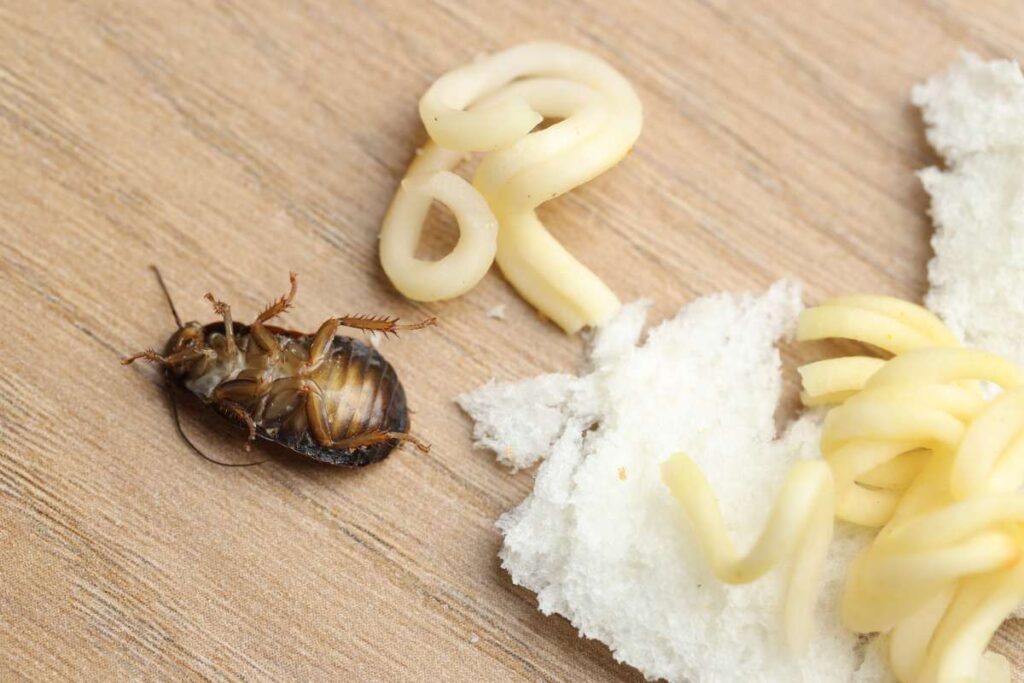
- Cockroaches, drawn to warmth and moisture in kitchens, bathrooms, and around drains.
- Rodents, seeking cool, dark shelter in roof and wall cavities, especially where trees or wiring give them easy access.
Why Melbourne homes in particular
Melbourne’s housing and climate combine in a way that suits pests well. Many suburbs feature established gardens and mature trees, which are beautiful but also act as bridges and shelter for rodents and insects. Older weatherboard and brick homes tend to have more gaps, cracks, and subfloor spaces than newer builds, giving pests plenty of entry points and harbourage. And the city’s famously changeable weather — a run of humid days followed by a dry, baking spell — keeps pushing pests to seek out the stable temperature and moisture that indoor spaces provide. None of this means your home is doomed; it just means a little seasonal awareness goes a long way.
The prevention that pays off
Most summer pest problems start small and escalate quietly, which means small, consistent actions make an outsized difference. The goal is simple: remove the food, water, and shelter that pests rely on, and close off the routes they use to get inside.
- Keep benches wiped, spills cleaned promptly, and food sealed in containers rather than left in open packets.
- Fix dripping taps and clear pooling water around the yard, gutters, and pot-plant saucers, since standing water is a magnet.
- Take the bins out regularly and keep lids closed, as an overflowing kitchen bin is a reliable food source.
- Trim back branches and shrubs that touch the house — they act as bridges for ants and rodents alike.
- Seal gaps around doors, windows, pipes, and vents. A rodent can squeeze through a gap the size of a coin, so even small openings matter.
- Fit or repair fly screens so you can ventilate the house without leaving an open door for insects.
None of these steps are dramatic, but together they remove the conditions that draw pests in. Think of it as making your home a less convenient stop than the neighbour’s — pests take the path of least resistance, and a well-sealed, clean, dry home simply isn’t worth the effort for them.
When to call in help
If you’re already seeing a trail of ants that keeps reappearing no matter how often you wipe it away, hearing scratching in the ceiling at night, spotting droppings in the pantry, or noticing spiders returning to the same corners days after you clear the webs, the population is usually larger than what’s visible. That’s the point where DIY sprays tend to disappoint, because they hit the stragglers and leave the source — the nest, the colony, the entry point — completely intact.
A professional inspection identifies where they’re nesting and getting in, and treats the problem at its root, which is what actually keeps them from marching straight back in a week later. It also saves you the cost and frustration of buying product after product that only ever addresses the symptom. Getting on top of it early in the season, before breeding really accelerates, is far easier than trying to claw back control at the peak of summer when the population has had months to grow.
Want to keep reading? You might find our guide to getting rats out of your air conditioner safely handy this time of year, along with our 13-point checklist for hiring an electrician in Australia if summer maintenance is on your list, and our piece on spotting the signs of a dead or dying tree, since overgrown greenery is often a pest highway straight to your roofline.
Frequently Asked Questions
Why are there suddenly more pests in my home during summer?
Warm weather accelerates insect breeding and dry spells push pests indoors looking for water. Combined with open doors and windows, this makes summer the peak season for household pest activity in Melbourne.
What are the most common summer pests in Melbourne?
Ants, spiders, cockroaches, and rodents are the usual offenders. Ants and cockroaches chase food and moisture, spiders follow the insects they prey on, and rodents look for cool, sheltered spots as the heat rises.
Can I prevent summer pests without chemicals?
Largely, yes. Sealing entry points, fixing water leaks, keeping food stored and surfaces clean, and trimming vegetation away from the house remove the conditions pests need, reducing the likelihood of an infestation before any treatment is required.
How do I know if I need a professional exterminator?
If pests keep returning despite your efforts, you notice droppings, hear noises in the walls or ceiling, or see a persistent trail, the population is likely established. A professional can locate the nest and entry points and treat the source rather than just the visible pests.
Does keeping the house cool attract pests?
The cooling itself doesn’t, but the open windows and doors used to ventilate a home in summer create easy access points. Screens and sealed gaps let you stay cool without rolling out the welcome mat.